Can a Small Roof Leak Cause Major Home Damage? What Happens If You Delay Repairs?
A tiny water stain on your ceiling doesn't look like a big deal. Most homeowners on Long Island notice it, shrug, and tell themselves they'll deal with it later. That's usually where the trouble starts.

Roof repair Long Island homeowners often start with this moment: a small leak that seems harmless until it isn't. The truth is, even a pinhole-sized leak can quietly damage your insulation, wood framing, and drywall long before you see real signs of trouble. If you're weighing whether to fix it now or wait, here's what you need to know before that decision costs you more than a repair bill.
How a Small Leak Turns Into a Big Problem
Water doesn't stay where it lands. Once it gets past your shingles, it travels along rafters, soaks into insulation, and pools in places you can't see.
Left alone, that moisture can lead to:
- Rotting wood decking and framing
- Mold and mildew growth inside walls and attics
- Damaged drywall and peeling paint
- Higher energy bills from wet, ineffective insulation
- Electrical hazards if wiring gets wet
None of these happen overnight. But they don't take years, either. In humid Long Island summers and snowy winters, a small leak can turn into a serious structural issue in a matter of months.
Why New York Weather Makes This Worse
Long Island homes deal with many nor'easters, humid summers, winter ice dams, and salty coastal air near the shoreline. Each of these puts extra stress on your roof.
Ice dams, in particular, are a common culprit. Snow melts, refreezes at the roof's edge, and forces water back under your shingles. That's often how a "small" leak starts in the first place, and it's a pattern we see often in roofing Long Island homes face every winter.
Signs You Shouldn't Ignore
Not every leak announces itself with dripping water. Some of the clearest early warning signs include:
- A faint musty smell in a room or attic
- Small brown or yellow ceiling stains
- Peeling paint near windows or ceilings
- Missing, curling, or cracked shingles
- Granules collecting in your gutters
If you notice any of these, it's worth having a professional take a look before the damage spreads.
Why Delaying Repairs Almost Always Costs More
It's tempting to wait, especially if the leak seems minor. But roofing repairs rarely get cheaper with time. A quick patch job today can prevent:
- Full roof replacement instead of a simple repair
- Mold remediation costs
- Damaged personal belongings
- Insurance complications if damage is linked to "neglect"
A leaking roof repair handled early is almost always simpler and more affordable than one addressed after months of hidden water damage.
What a Professional Roof Inspection Actually Checks
A proper inspection isn't just a quick look from the ground. A qualified roofer will check:
- Shingle condition and attachment
- Flashing around chimneys, vents, and skylights
- Attic insulation for moisture
- Gutter and downspout function
- Signs of previous water intrusion
This kind of thorough check is what separates a real fix from a temporary patch.
Why Local Experience Matters
Roofing on Long Island isn't quite like roofing anywhere else. Coastal wind exposure, seasonal storms, and older housing stock all play a role in how a roof ages and where it's most likely to fail.
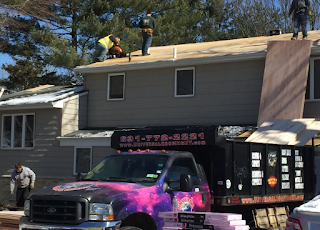
At Universal Roofing & Chimney, we have been an owner-operated, family-run business serving Suffolk County and surrounding Long Island communities for over 20 years. That kind of hands-on, local experience means we know what to look for on a New York roof and how to fix it right the first time, not just patch it for now.
We work with trusted material brands like GAF, Owens Corning, CertainTeed, and TAMKO, and we offer free estimates, emergency service, and 0% financing for homeowners who qualify.
The Bottom Line
A small roof leak is never really small. It's a signal that something needs attention before it becomes a bigger, more expensive problem. Catching it early protects your home, your budget, and your family's comfort.
If you have noticed a stain, a musty smell, or missing shingles, it's worth getting it checked out sooner rather than later.
Frequently Asked Questions
How do I know if my roof leak is serious?
If you notice recurring stains, a musty odor, sagging ceiling areas, or daylight coming through your attic, it's likely more serious than surface-level. A professional inspection can confirm the extent of the damage.
How much does roof repair cost on Long Island?
Costs vary based on the size and cause of the leak, roof material, and accessibility. Minor repairs are typically far less expensive than full replacements, which is why early action matters.
Can a small leak really cause mold?
Yes. Even minor, ongoing moisture inside walls or attics creates the damp environment mold needs to grow, often before it's visible from inside the home.
How often should I have my roof inspected?
Most professionals recommend at least once a year, ideally in spring or fall, plus after any major storm.
Does homeowners insurance cover roof leak damage?
It depends on the cause and how long the issue went unaddressed. Insurers may deny claims tied to long-term neglect, which is another reason to repair leaks promptly.
If you are dealing with a leak or just want peace of mind before the next storm season, Universal Roofing & Chimney offers free estimates and emergency service across Long Island. Call (631) 772-2221 to schedule an inspection.
Find our Google Maps location!


Comments
Post a Comment